

Help us rebuild childhood through compassion. Make a tax-deductible donation today.

Inside our home

Sixteen teens. One front door. Here's what daily life actually looks like.

HOC is a CARF-accredited, DSS-licensed residential treatment program for adolescent boys, offering Emergency Placement and Residential Level 3 care. Average length of stay is 6–12 months. The home holds sixteen residents. Below is the rhythm of an actual day.

A day at HOC

From wake-up to lights-out.

No two days are identical. This is the rhythm.

6:30 am

Prep for school

Wake up, get ready, gather for the school day. The first quiet moments of a routine.

8:00 am

School begins

HOC offers both on-site instruction and public school options, depending on each resident's plan and progress.

12:00 pm

Lunch

Together. The same way dinner is together — the way a family eats.

1:30 pm

School + skills groups

Academic block continues; psychoeducation and life-skills modules rotate weekly.

3:00 pm

Room and chores

Tidy bedrooms and shared spaces. The small dignity of caring for the place you live in.

3:30 pm

Individual therapy block

Each resident has scheduled 1:1 time with their assigned therapist throughout the week.

4:00 pm

Study time

Catch up on homework or shift to something productive — reading, creative work, journaling. Quiet hours by design.

6:00 pm

Family-style dinner

Set table, family-style serving, conversation. Birthdays celebrated here.

7:00 pm

Recreation, tech, personal calls

Free time block — recreation, supervised tech access, scheduled call time with approved contacts.

8:00 pm

Snack and cool down

A light snack, lower lighting, the day winding down. Quiet activities only.

9:00 pm

Bedtime

The house quiets. Overnight staff on rounds.

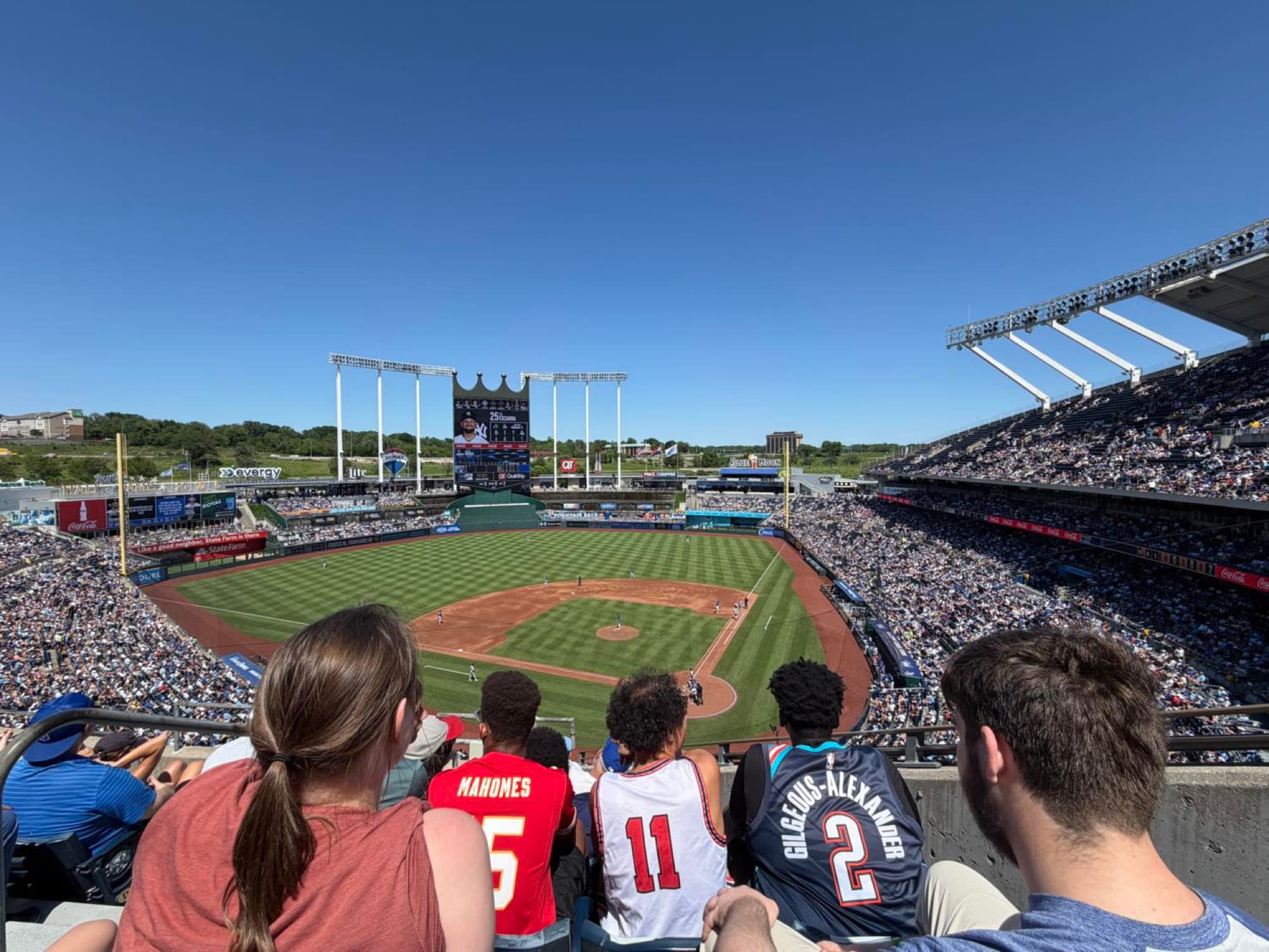
House of Compassion residents on a group outing — the recreation and community time that anchors the program.

The clinical model

Trauma-informed care that doesn't feel like treatment.

The CARF accreditation and DSS license aren't separate from the homelike feel — they're what make the homelike feel possible. Here's the clinical foundation.

Trauma-informed practice

Every staff member — clinical, educational, overnight — trained in trauma-responsive care. Not a buzzword. A practice.

Individual therapy

Each resident assigned a primary therapist. Weekly scheduled sessions, plus availability for acute moments.

Premium case management

Our admin team coordinates with case workers, families, schools, and clinical providers — taking work off the case manager's plate when most providers would point at the contract. It takes a village.

Psychiatric assessment & medication management

Contracted psychiatry for assessment, medication review, and ongoing management as part of treatment planning.

Educational support

On-site instruction, certified teachers, credit recovery for behind-grade-level students, IEP coordination.

Family engagement

Family therapy where appropriate. Visit/call schedules. Reunification work when reunification is the plan.

Who we actually serve

They are not who their case files describe.

The public hears “residential treatment for teen boys” and pictures delinquents. The truth is different. The first story below is real, told in our President & CEO's own words. The other two are composite stories drawn from real residents.

The call that changed how we think about the work.

Arrived: New to care. Parents killed in a car wreck days before. No family available to take him.

Outcome: Sibling set. One bed. Two children losing their parents — and now losing each other.

“Many of the boys we serve are not criminals. They are, in too many cases, victims of terrible moments.” — Sheldon N.

“Marcus” came in not speaking.

Arrived: Age 14. Three prior placements. Complex trauma history. Did not speak for the first eleven days at HOC.

Outcome: Age 15. Student council. Full sentences. Hugged his case worker on discharge day.

“He picked the kitchen first. Sat there for nine days. On the tenth, he asked for cereal.”

“James” had been AWOL from three placements.

Arrived: Age 16. Six weeks on the run from a prior placement. Distrusted every adult in the room.

Outcome: Age 17. Zero AWOL events at HOC. Employed part-time. Showed up for his own discharge meeting.

“He cooked dinner for everyone in week three. Said it was the first kitchen he had been allowed in.”

A House of Compassion resident on graduation day — the kind of outcome the work is built around.

School & education

Three paths to school. One commitment to getting it done.

HOC residents have three school options depending on their plan and progress: in-house instruction with certified teachers, education through our partner district, and off-site public school for residents ready for that step. Each pathway is coordinated with the resident's home district and IEP team.

Most residents arrive significantly behind grade level; most leave on track or close to it. Credit recovery is structured into the school day. Donors help us fund the rest — the outings, events, school supplies, clothes, and the household furniture.

Family connection

Reintegration, when reunification is the plan.

Visit schedules, phone and video access, family therapy sessions, and reintegration work when reunification is the plan — all individualized to each resident's case plan and clinical recommendation.

For residents whose families aren't a current option, our staff become the long-term support. That doesn't end at discharge.

Recreation & enrichment

The things state contracts don't cover.

Outings. Sports leagues. Music. Summer trips. College tours. Prom. Birthdays. Graduation celebrations that look like actual graduation celebrations.

This is the part of HOC funded by donors. Specifically. Here's the math.

Discharge & graduation

Discharge planning starts at admission.

Every resident's discharge plan is reviewed monthly by the treatment team and family/case team. Successful discharge looks like a stable next placement, a kept connection to HOC, and follow-up that actually happens.

HOC stays in touch after discharge. First-semester support. First-apartment support. The next time things get hard, the call still comes here.

Want to see it for yourself?

Families and referring professionals are welcome to schedule a tour. We'd love to introduce you to our warm, supportive environment and share what makes our program feel like home.