
Our story
Same house. Same front door. The same belief that started it all.
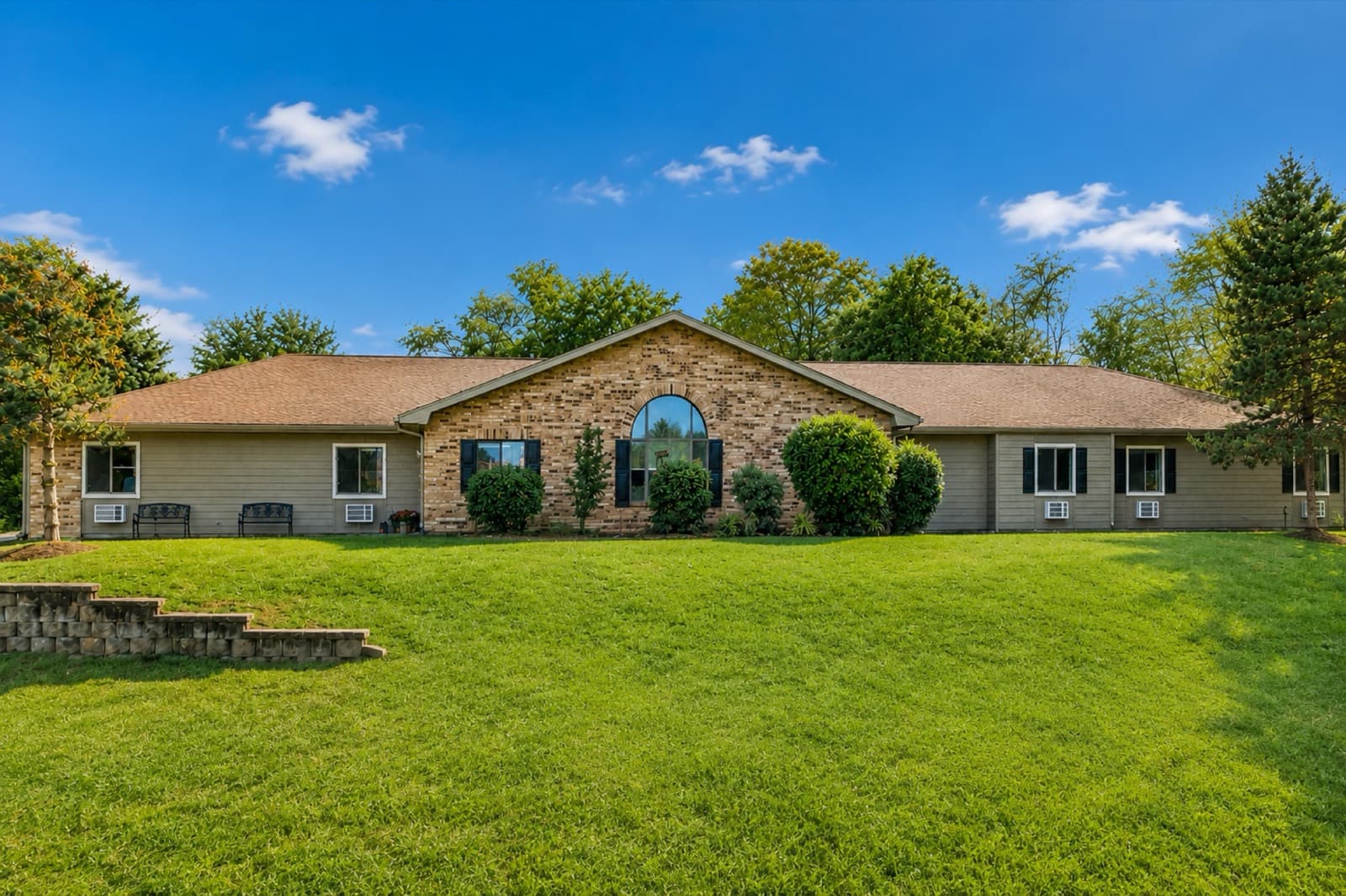
Approaching fifteen years of continuous care for adolescent boys in Grandview, Missouri.
A short timeline
Fourteen years, one front door.
A house becomes a home
Erika Peterson founds House of Compassion in Grandview, Missouri — opening May 5 in a home she gave up to make it possible. Originally named D.A.S.E. House of Compassion.
A founder lost. A vision held.
Shortly after, Erika passes after a second battle with breast cancer. At her funeral, many of the boys she served ask to speak publicly. The team commits to continuing the work.
A second home for older youth.
HOC expands with a second location dedicated to older adolescents — a capacity-building experiment that would later be consolidated back into a single home during the 2019 rebrand.
A new chapter.
We consolidate operations from two homes into one, move into our current Grandview location with an expanded bed count, and rebrand from D.A.S.E. House of Compassion to House of Compassion (HOC).
CARF accreditation.
Led by Executive Director Michelle G., HOC earns its three-year national accreditation from the Commission on Accreditation of Rehabilitation Facilities. Renewed every cycle since.
Ten-year anniversary.
A decade in. Often referred to as one of the best in the area by case managers, juvenile officers, and volunteers who know the work up close.
Raising the bar on care.
Rachael S. joins Michelle G. on HOC's clinical leadership team — deepening the bench on quality and trauma-informed care across the program.
Today
Approaching fifteen years. Expanding our programs and services. The work continues — same house, same front door, same belief.
What we hold to
Four pillars, non-negotiable.
However the work has grown — more residents, more clinical depth, more partners — these four things have never been up for negotiation. Without them, we'd just be another facility.
Stability
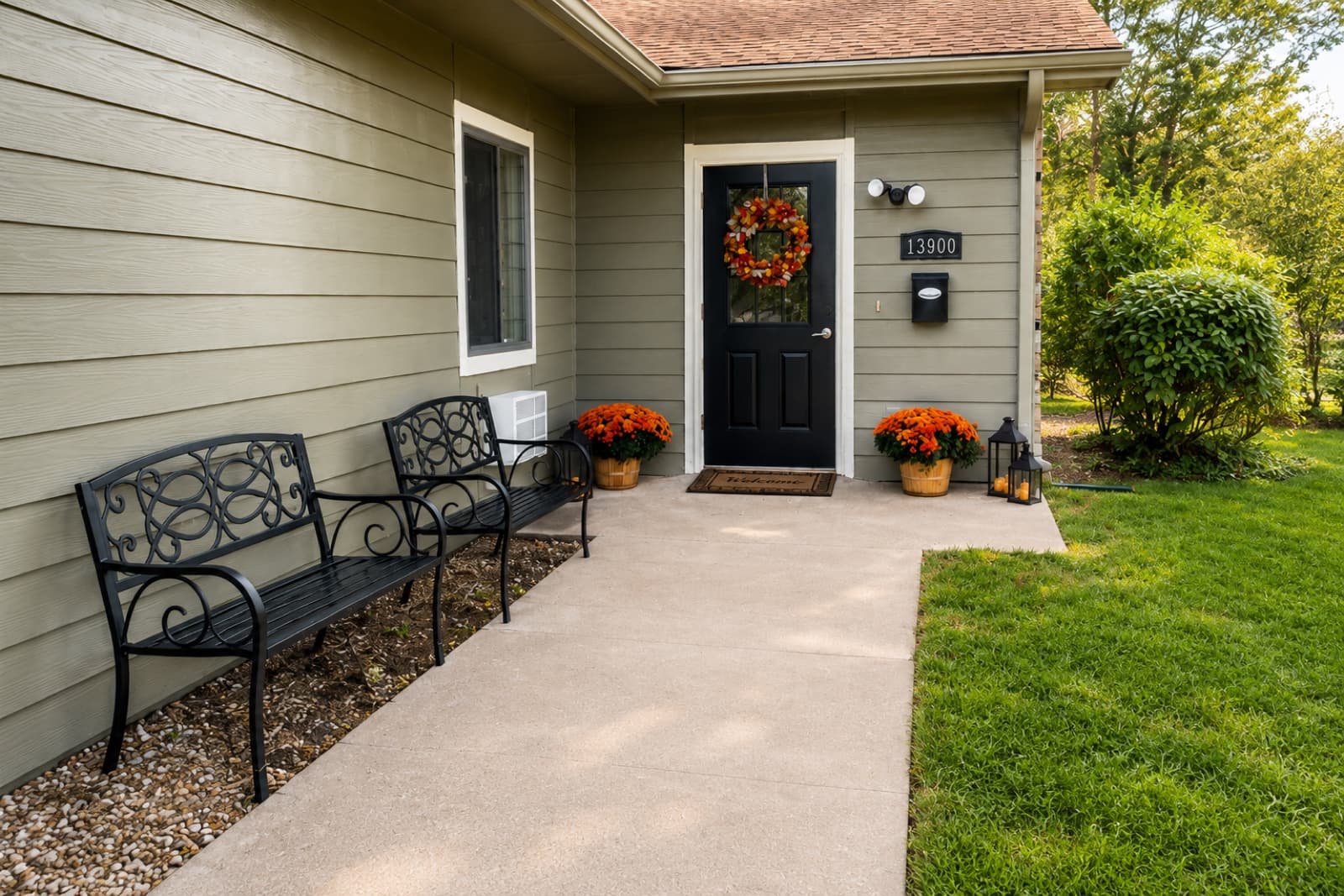
Same house. Same staff. Same routines. Same expectations. Most boys in care have known too much disruption — too many placements, too many faces, too many rules that kept changing. HOC's quietest promise is being the place that doesn't move.
Normalcy
Birthday cakes. School dances. Family-style dinners. Treating teenage boys like teenage boys, not patients. The thing that almost every other residential program loses, and that we have refused to lose for fourteen years.
Education
On-site instruction, certified teachers, credit recovery, IEP coordination, college tours for our seniors. A strong academic foundation is one of the things every kid in care should leave with — and at HOC, we fight to make it happen.
Love (sometimes tough love)
The calm energy of the home. The staff who do not quit on a kid. The standards we hold them to even when nobody else has. Love made physical — the kind a real home is built on.
Our leads
Who runs the home.
HOC's leaders are dedicated, committed, and focused. Many have spent years — some most of their careers — in this work. Their leadership style prizes presence: at meals, in meetings, in the hard moments.

Sheldon N.
President & CEO
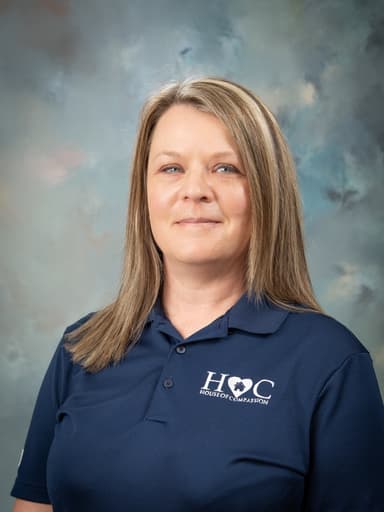
Michelle G.
Executive Director · MSW, UMKC
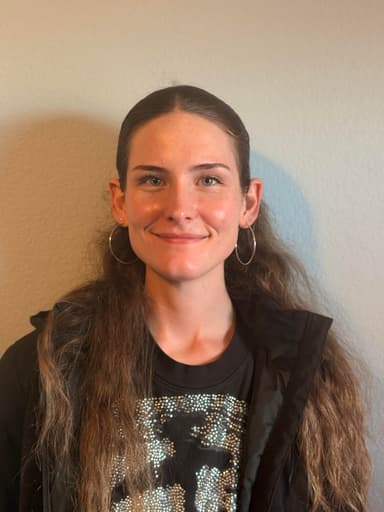
Rachael S.
Case Manager
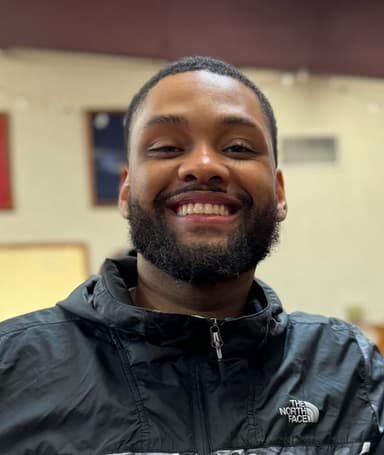
Deion P.
Lead BHT
Where we are now
Fourteen years in, the boys keep coming back.
The most powerful positive feedback we receive doesn't come from accreditation bodies or DSS audits or grant committees. It comes from the boys themselves. Past residents call. They visit. They leave reviews online. They tell us HOC was the best residential they ever lived at.
We hear it from case workers, too. They tell us HOC's admin team takes work off their plate that most providers refuse to touch. We don't do that because the contract requires it. We do it because it takes a village, and the village exists to serve the kid.
The next fourteen years: the community knows our name. The team is bigger. The clinicians are deeper. The boys served are double.
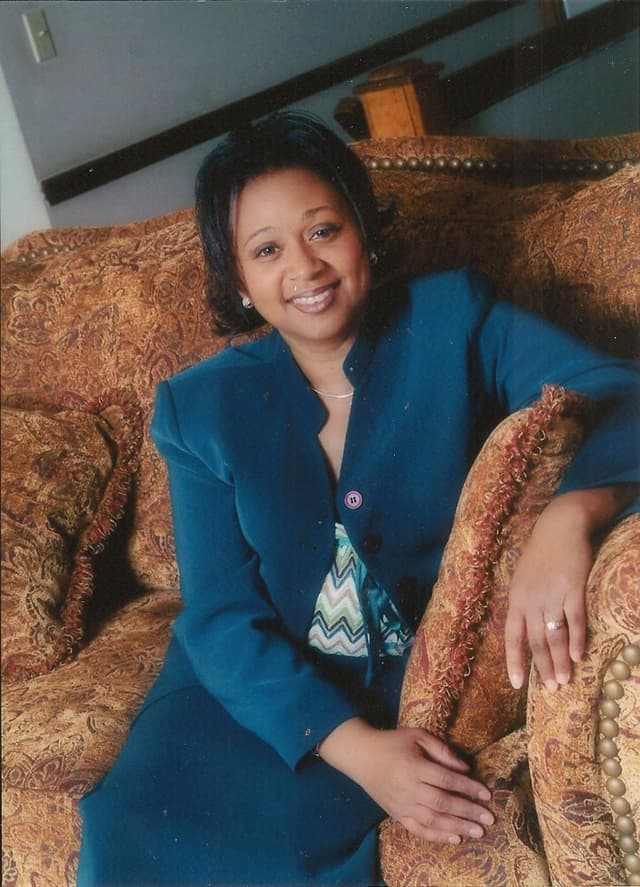
Erika Peterson
Founder · 1970–2014
The beginning
Erika built it. The literal house.
Erika Peterson was, by every account from the people who knew her, a force. Short in height but mighty. She didn't take no for an answer. She was adventurous — motorcycles, travel, the kind of person who said yes to things most of us would talk ourselves out of. She spent the majority of her career working with children. She was a foster parent to many.
By 2012 she had a specific opinion about what was missing in residential care for adolescent boys. She had been a foster parent. She had worked the system from inside. She knew what worked and what didn't. And she had a picture in her head of a place that could give the boys something she felt the system rarely gave them: a strong foundation for a future, and love that knew when to be hard.
She gave up her own house to start HOC.
That sentence is not a metaphor. The first House of Compassion was, literally, her home. She handed the deed of her life over to make space for boys who didn't have one. She had survived breast cancer once. She knew she might not have a long time to do this. She did it anyway.
In the short time she had after HOC opened, Erika built something the boys could feel from the day they walked in. They immediately felt home from her. They were not residents in a program. They were kids who lived at Miss Erika's house.
When she passed, many of those boys asked to speak publicly at her funeral. Teenage boys in residential care do not, as a rule, volunteer to speak at a stranger's funeral. They do it when they have been loved by someone in a way they have never been loved before.
That day, the team made a quiet decision. This was something special. We needed to continue it.
Be part of the next fourteen years.
Three ways: give, refer, work. Pick the one that fits.